Machines and engines
Heavy Equipment Operation
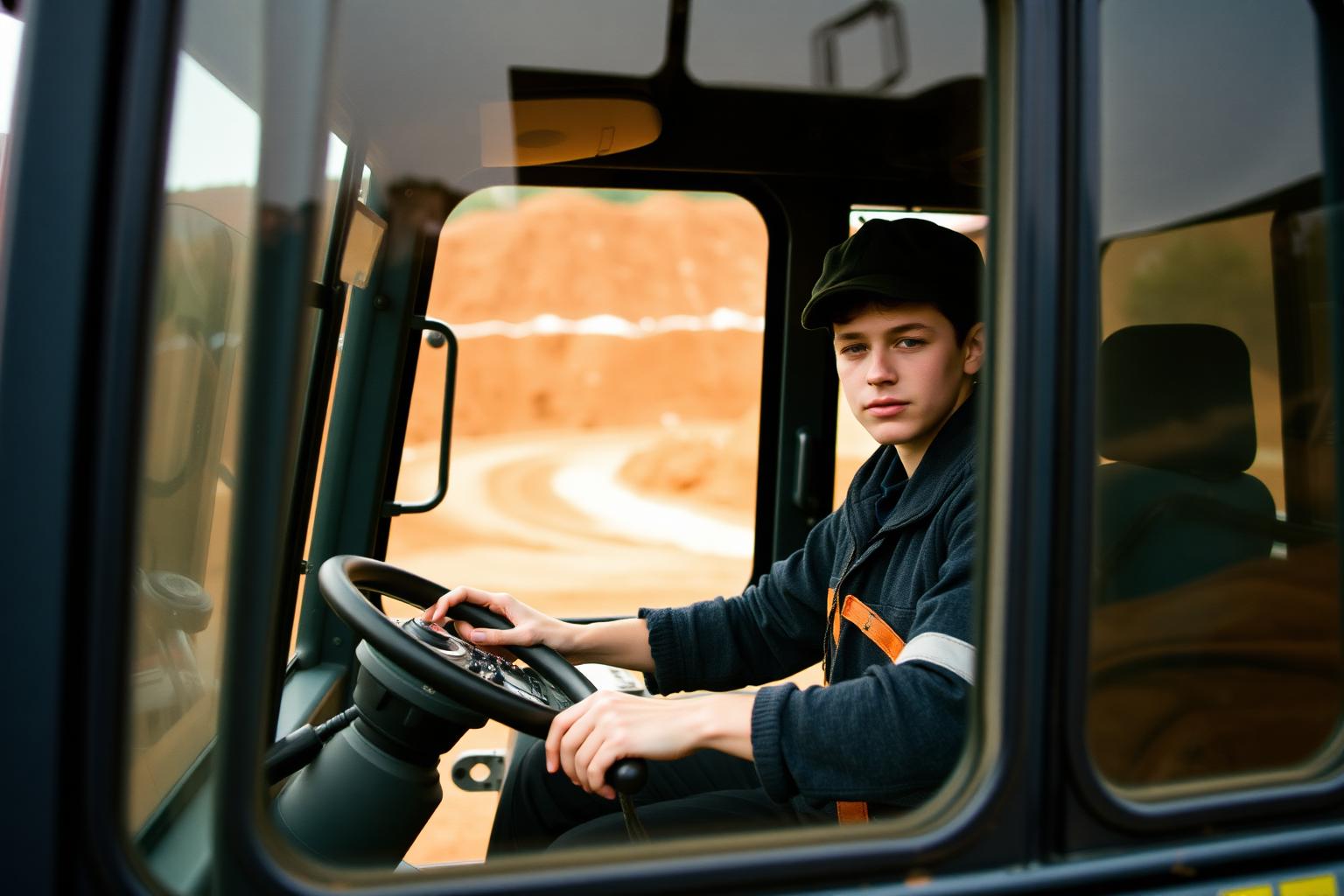
You run the machines that move the earth before anything gets built. Excavators, dozers, graders, loaders. It is skilled work that looks like brute force from the road and is actually about a quarter-inch of accuracy in a fifty-ton machine.
A day in it
- On site before light. Walk the grade stakes, know the plan before you start the machine.
- Grease the machine and do the walk-around. Every day, no exceptions.
- Cut and fill through the morning. GPS on the blade tells you where you are.
- You develop a feel for it. After a while you stop watching the screen.
- Lunch in the cab.
- Afternoon is loading trucks. Rhythm matters — the crew works off your pace.
- Fuel and shut down. Report anything that felt wrong to the mechanic.
What it pays
- Starting out
- $40,080
- Median
- $58,710
- Experienced
- $100,690
U.S. Bureau of Labor Statistics, Occupational Employment and Wage Statistics, May 2024 (national). Starting out = 10th percentile. Median = 50th. Experienced = 90th. Annual. Georgia figures to be added alongside national. SOC 47-2073. Real numbers only — never estimated, never rounded up.
How you get in
- —Start as a laborer or ground man on a site and get seat time when it's offered.
- —Three-to-four-year paid apprenticeships through the operating engineers.
- —Short heavy equipment schools exist — verify job placement before paying anyone.
- —The Mustard Seed covers tuition, CDL training, and certification.
What you need before you start
- —A CDL is worth having and dramatically widens what you can be hired for.
- —Early hours, dirt, weather, and long stretches alone in a cab.
- —Awareness — people work on the ground around a machine that can't see them.
Someone doing it
Photograph, first name, age, and three or four sentences in their own words — to be supplied.
What it turns into
Operator, then grade foreman, then superintendent. Crane operation is a separate certification and one of the highest-paid seats on any job site.
Want to talk to somebody doing this?
Two fields. A person reads it and texts you back.